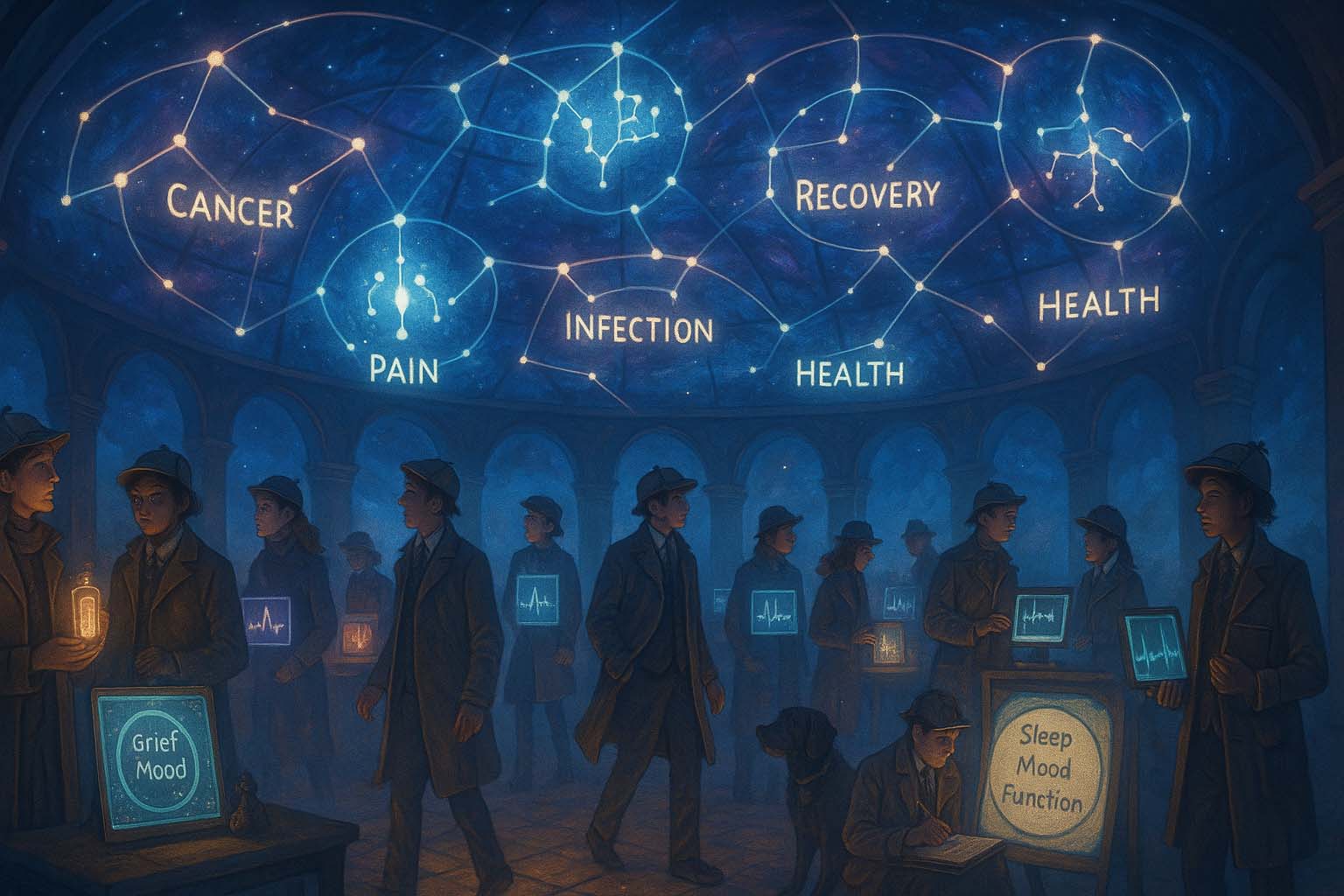
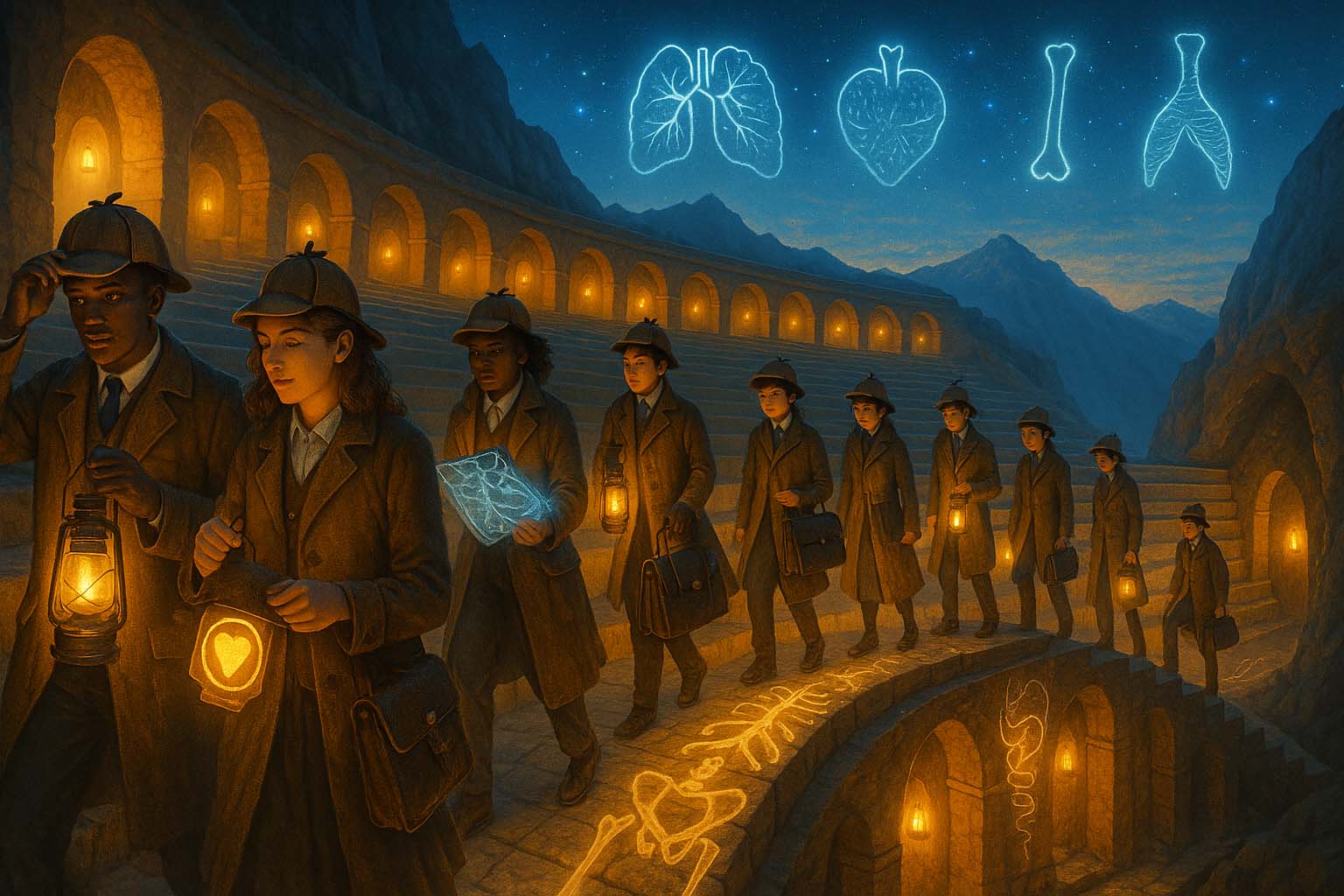
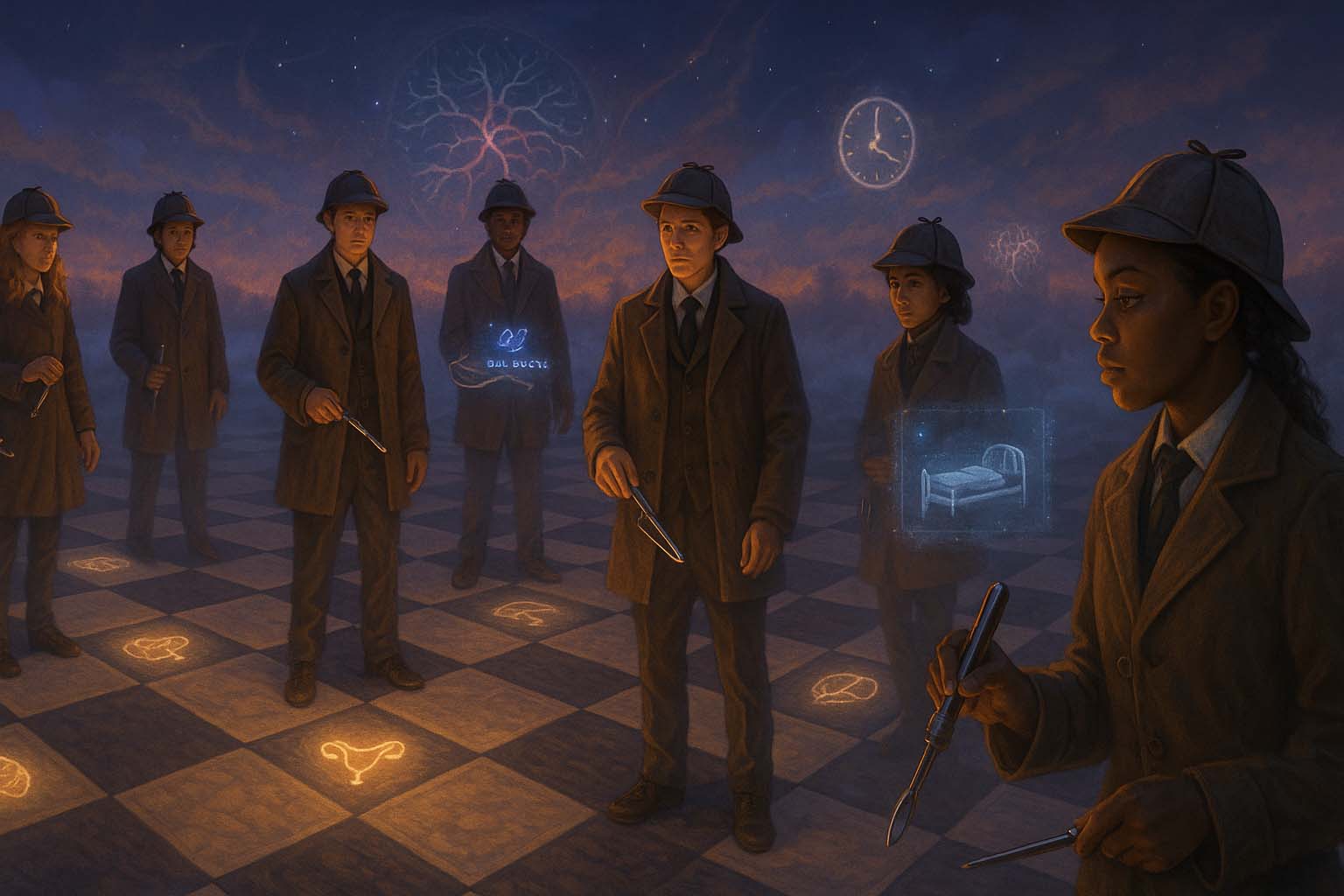
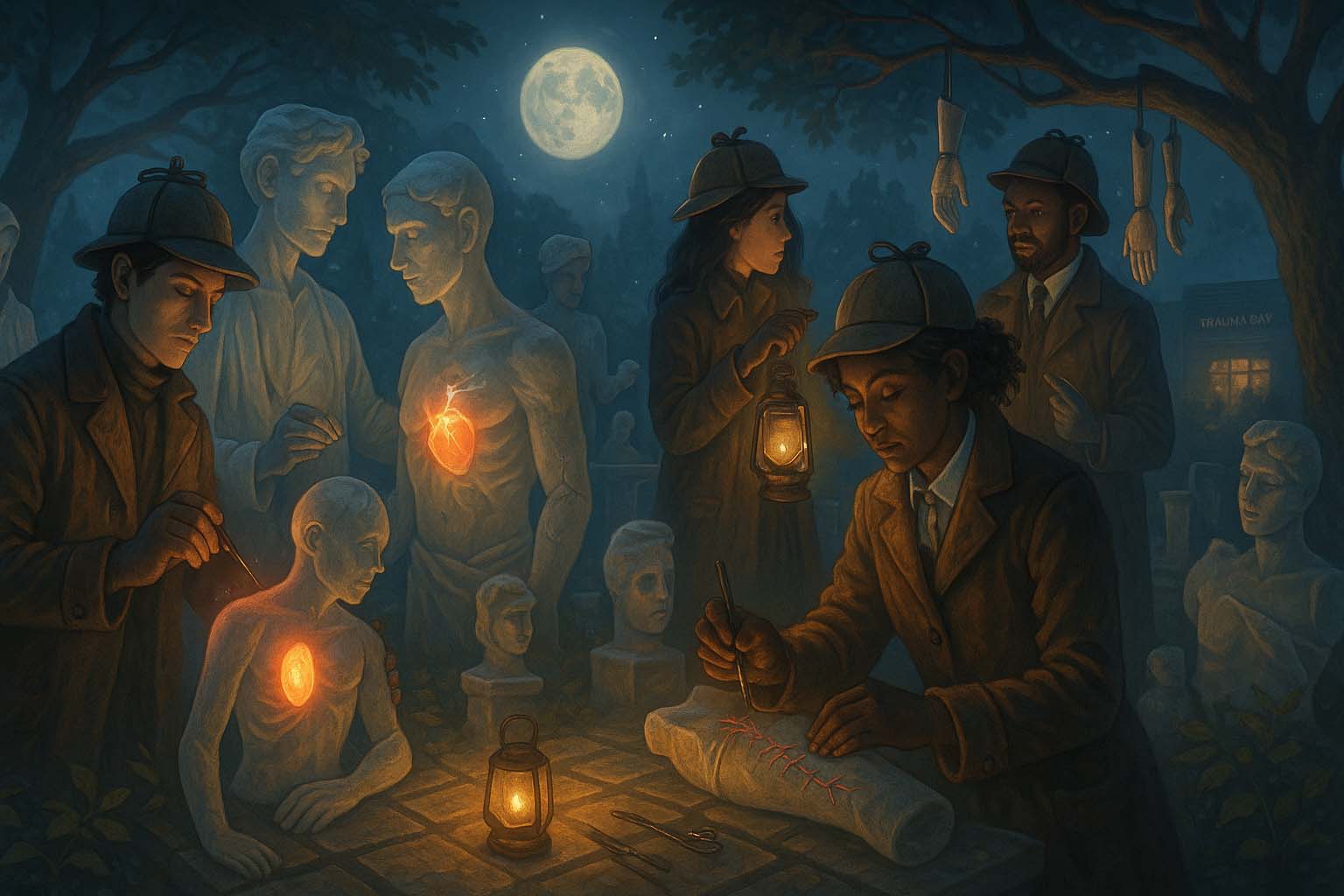
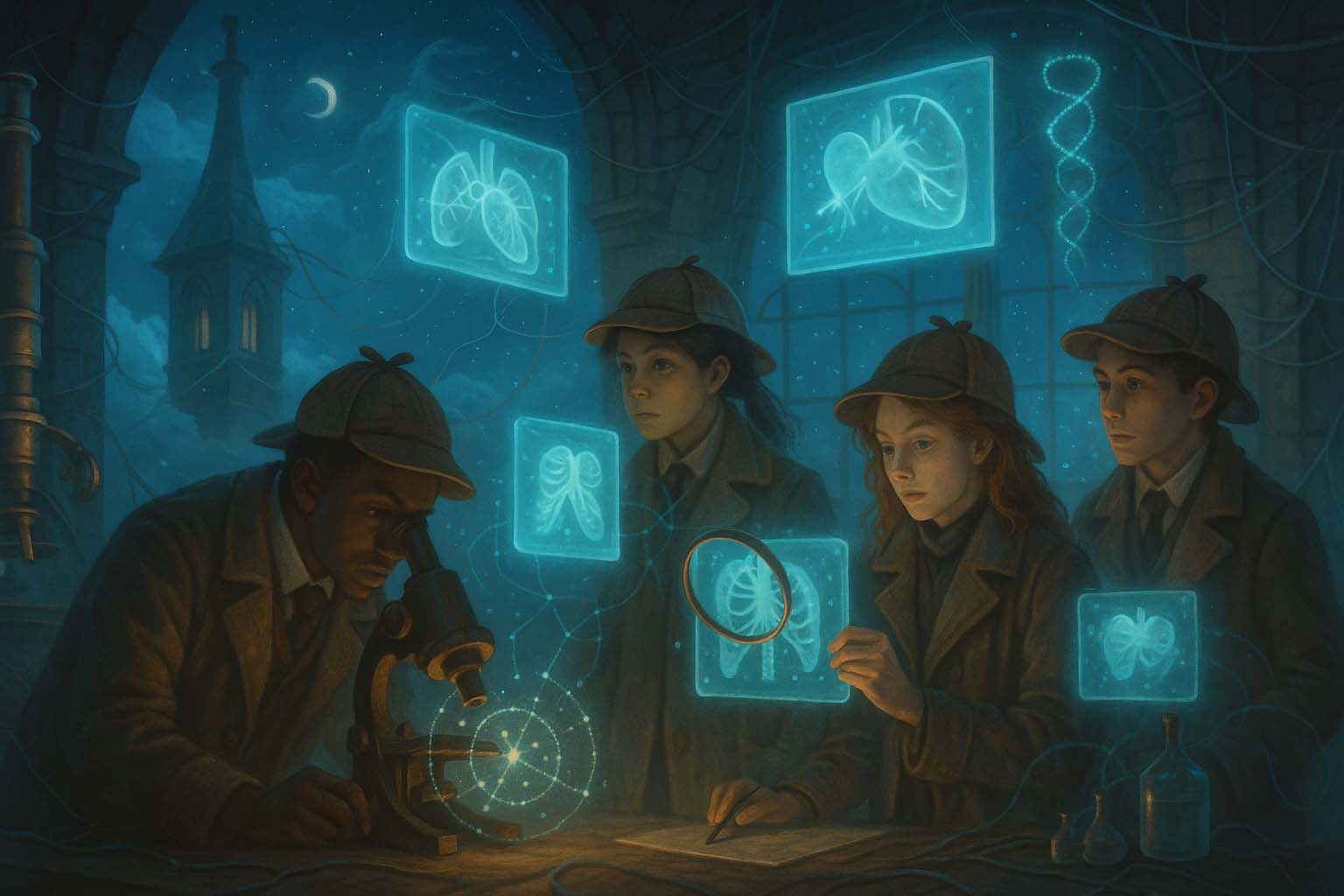
A patient does not arrive with anatomy, physiology, pathology or pharmacology. They arrive with breathlessness, pain, weakness, confusion, bleeding, fatigue or a change in the way their body is functioning.
To understand what is happening, the clinician must bring many forms of knowledge together.
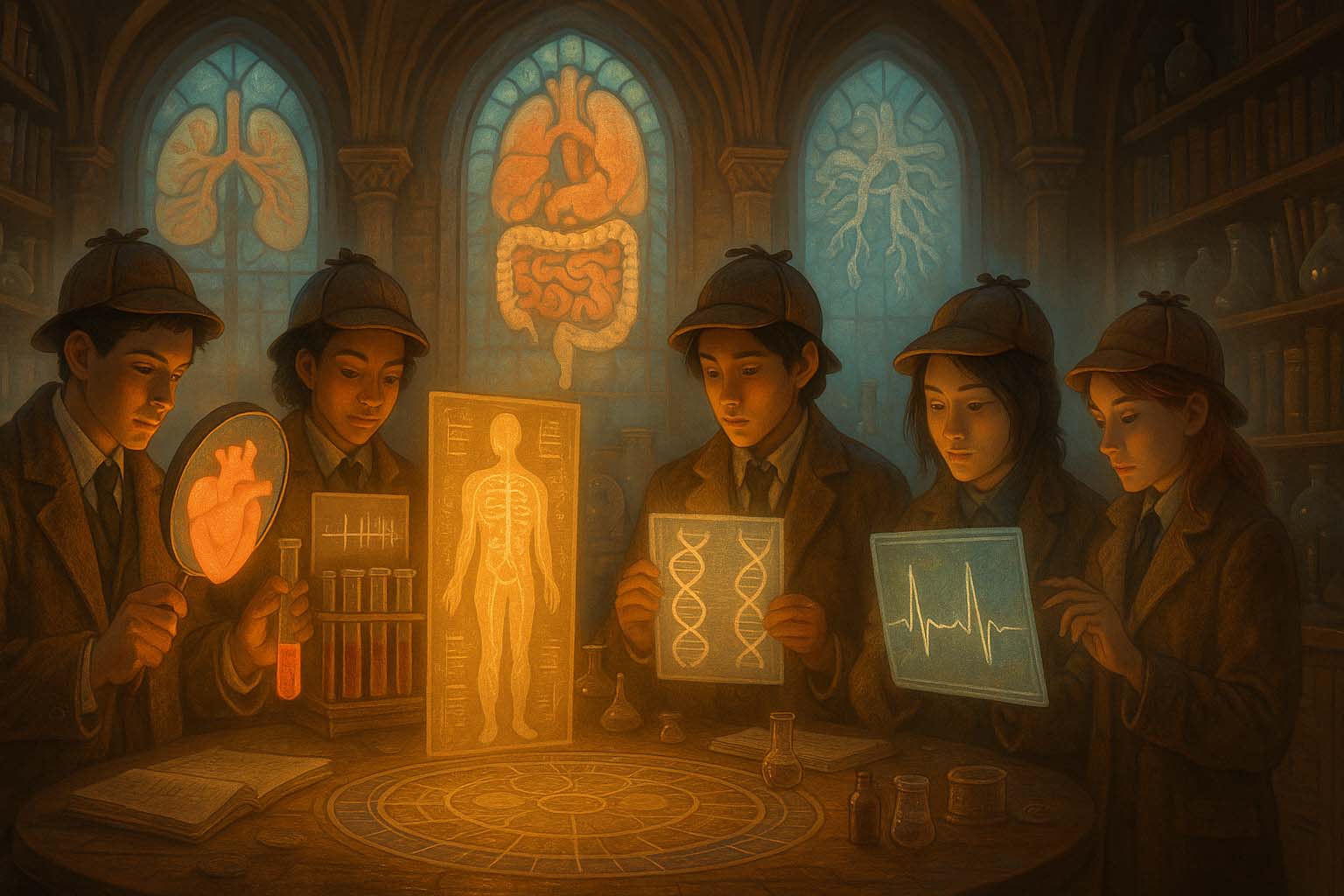
Systems is where the sciences converge.
Each system becomes an integrated learning world: bringing together normal structure, normal function, disease mechanisms, clinical presentation, investigation, treatment and care.
This is where isolated knowledge begins to behave like clinical understanding.
From Subjects to Systems
Within Sciences, medicine is organised by discipline.
Learners explore Anatomy, Physiology, Biochemistry, Pathology, Pharmacology, Microbiology, Medicine, Surgery, Psychiatry and the other foundational and clinical sciences.
This structure is essential. Each discipline provides its own language, principles and way of seeing.
But patients do not remain inside disciplinary boundaries.
Understanding heart failure requires:
- cardiac anatomy
- cardiovascular physiology
- cellular metabolism
- haemodynamics
- renal function
- pathology
- pharmacology
- clinical medicine
- imaging
- rehabilitation
- an understanding of the person living with chronic illness
Systems brings these perspectives into one place.
It asks the learner not only to know the pieces, but to see the pattern they create together.
The Systems Idea
Every system follows a common journey.
How is it built?
The anatomy, histology, embryology and structural relationships.
↓
How does it work?
The physiology, biochemistry and regulatory processes that sustain normal function.
↓
What goes wrong?
The pathological, genetic, inflammatory, infectious, degenerative and traumatic processes that produce disease.
↓
How does it present?
The symptoms, signs and clinical patterns through which dysfunction becomes visible.
↓
How do we investigate it?
The history, examination, laboratory tests, imaging and specialised procedures that help clarify the problem.
↓
What can be done?
The medicines, procedures, operations, psychological treatments, rehabilitation and preventive interventions that may alter the course of illness.
↓
How do we care for the person?
The communication, judgement, partnership and compassion required to apply medical knowledge wisely.
This sequence transforms a catalogue of facts into a model of clinical practice.
The Body as a Living Network
The word system can suggest a collection of separate compartments.
The body is not like that.
The heart depends upon the lungs.
The lungs depend upon the nervous system.
The kidneys regulate the circulation.
Hormones alter metabolism throughout the body.
Inflammation may begin in one tissue and affect many organs.
Psychological distress can change sleep, pain, appetite, immunity, behaviour and cardiovascular risk.
A single medicine may help one system while disturbing another.
Systems therefore teaches integration without pretending that any system exists in isolation.
Each learning world has a clear centre, but its borders remain open.
Connections to other systems are not distractions from the subject.
They are part of the subject.
From Map to Territory
A textbook may describe the cardiovascular system across dozens of different chapters.
Anatomy explains the chambers and vessels.
Physiology describes pressure and flow.
Pathology explores atherosclerosis and myocardial injury.
Pharmacology introduces antihypertensives, anticoagulants and antiarrhythmics.
Medicine explains heart failure and coronary syndromes.
Surgery explores valves, grafts and mechanical intervention.
Each chapter provides part of the map.
Systems places those maps over the same territory.
The learner can begin to see how a structural change alters function, how altered function produces symptoms, how those symptoms guide investigation and how treatment attempts to interrupt the process.
The aim is not simply to know more.
It is to see more clearly.
System Maps
Every Medlock Holmes system will progressively develop around a System Map.
Rather than opening onto an unconnected list of lectures or podcast episodes, the learner will see the architecture of the subject.
For example:
CARDIOVASCULAR SYSTEM
Structure
Anatomy
Histology
Embryology
↓
Function
Cardiac physiology
Haemodynamics
Electrophysiology
Metabolism
↓
Disease
Atherosclerosis
Ischaemia
Heart failure
Arrhythmia
Valvular disease
Vascular disease
↓
Intervention
Pharmacology
Imaging
Procedures
Surgery
Rehabilitation
↓
Clinical Thinking
Presentations
Differential diagnosis
Investigations
Clinical cases
Decision-making
The learner may enter at any point.
But wherever they enter, they can see how that knowledge relates to the whole.
The System Map is not merely a contents page.
It is a visual model of understanding.
The Systems Library
The Systems library will grow progressively.
Some areas already contain substantial collections of Clinical Deep Dives. Others will come online as new conceptual guides, cases and learning experiences are developed.
The purpose is not to present an artificially completed library.
It is to build a living one.
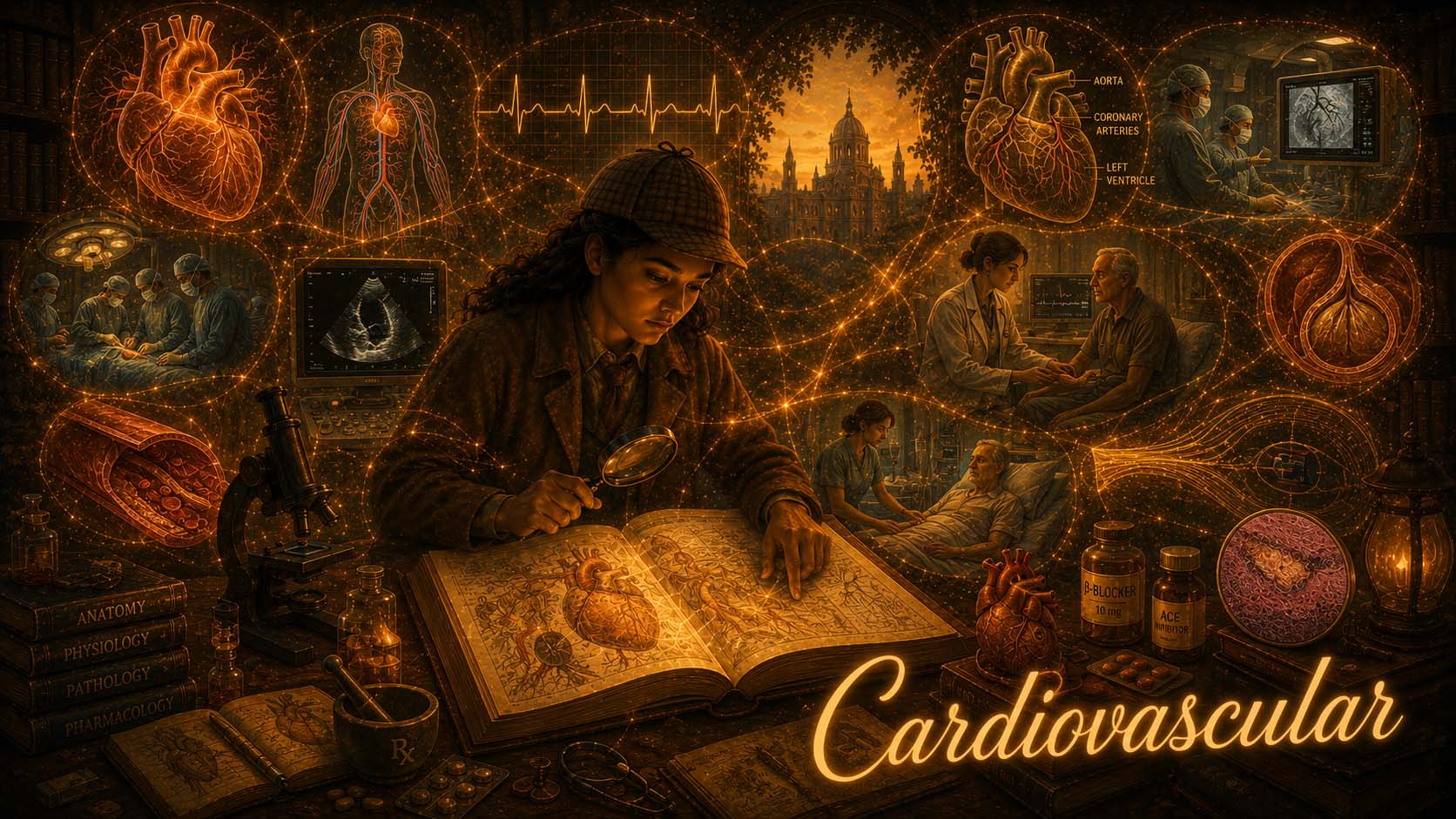
CARDIOVASCULAR
The system of pressure, flow and perfusion.
The cardiovascular system explores how the heart and blood vessels maintain the circulation upon which every tissue depends.
It brings together:
- cardiac and vascular anatomy
- cardiac physiology
- haemodynamics
- electrophysiology
- coronary circulation
- vascular biology
- cardiovascular pathology
- cardiac pharmacology
- clinical cardiology
- cardiac and vascular surgery
- ECG interpretation
- cardiovascular imaging
- rehabilitation and prevention
Clinical themes may include:
- chest pain
- heart failure
- hypertension
- arrhythmias
- valvular disease
- coronary artery disease
- congenital heart disease
- peripheral vascular disease
- shock and circulatory failure
The cardiovascular system teaches a central principle of medicine:
A pump, a network and a fluid must work together to sustain every part of the body.
Explore the Cardiovascular System →
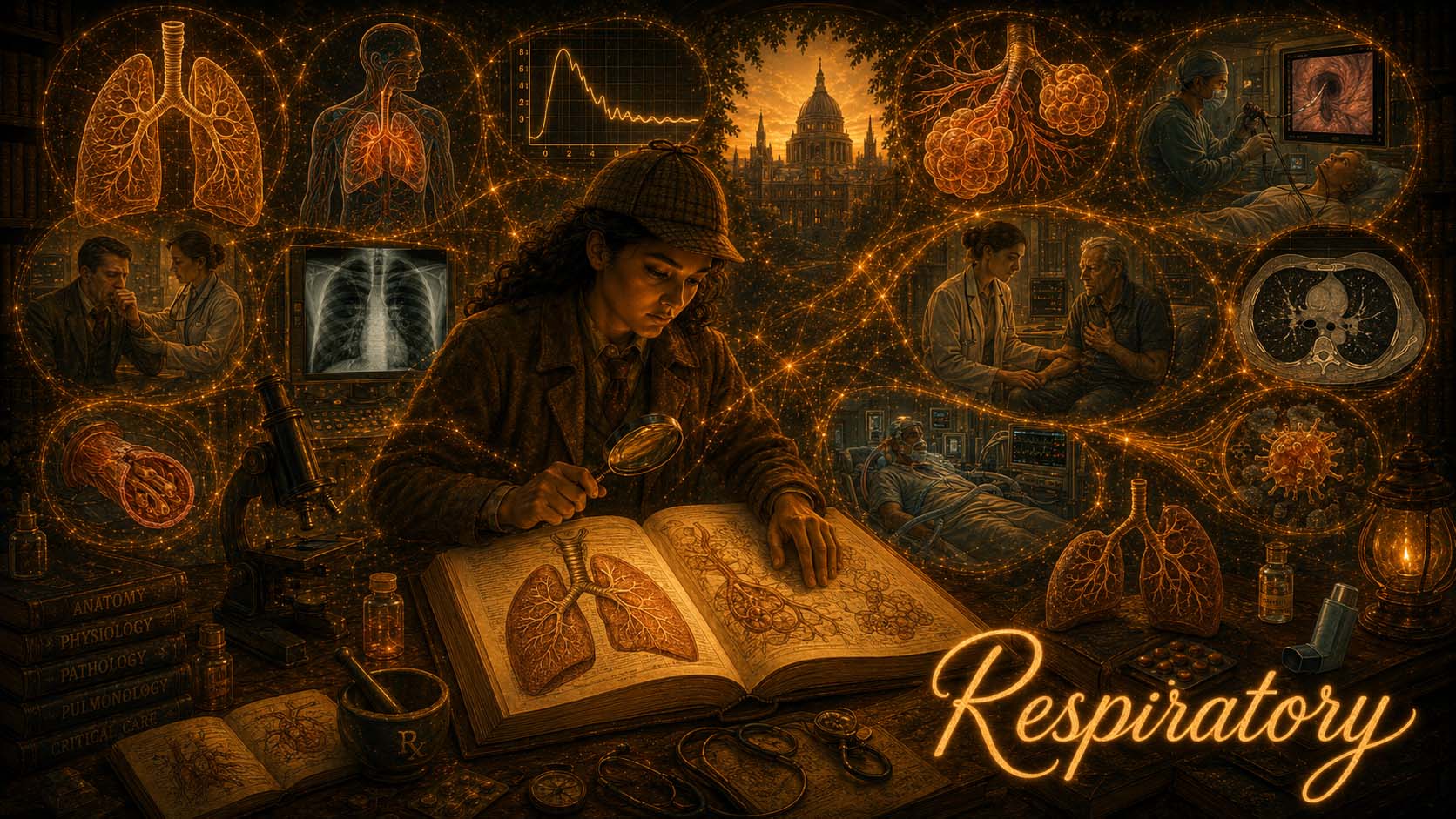
RESPIRATORY
The system of breath, exchange and survival.
The respiratory system explores how air reaches the lungs, how gases cross the alveolar membrane and how breathing adapts to the changing needs of the body.
It brings together:
- thoracic and pulmonary anatomy
- respiratory physiology
- ventilation and perfusion
- gas exchange
- control of breathing
- respiratory pathology
- microbiology
- respiratory pharmacology
- clinical respiratory medicine
- thoracic surgery
- respiratory imaging
- critical care
Clinical themes may include:
- breathlessness
- cough
- hypoxia
- asthma
- chronic obstructive pulmonary disease
- pneumonia
- pulmonary embolism
- interstitial lung disease
- pleural disease
- respiratory failure
- lung malignancy
The respiratory system reveals that breathing is not simply the movement of air.
It is the continuous negotiation between the atmosphere, the circulation and every living cell.
Explore the Respiratory System →
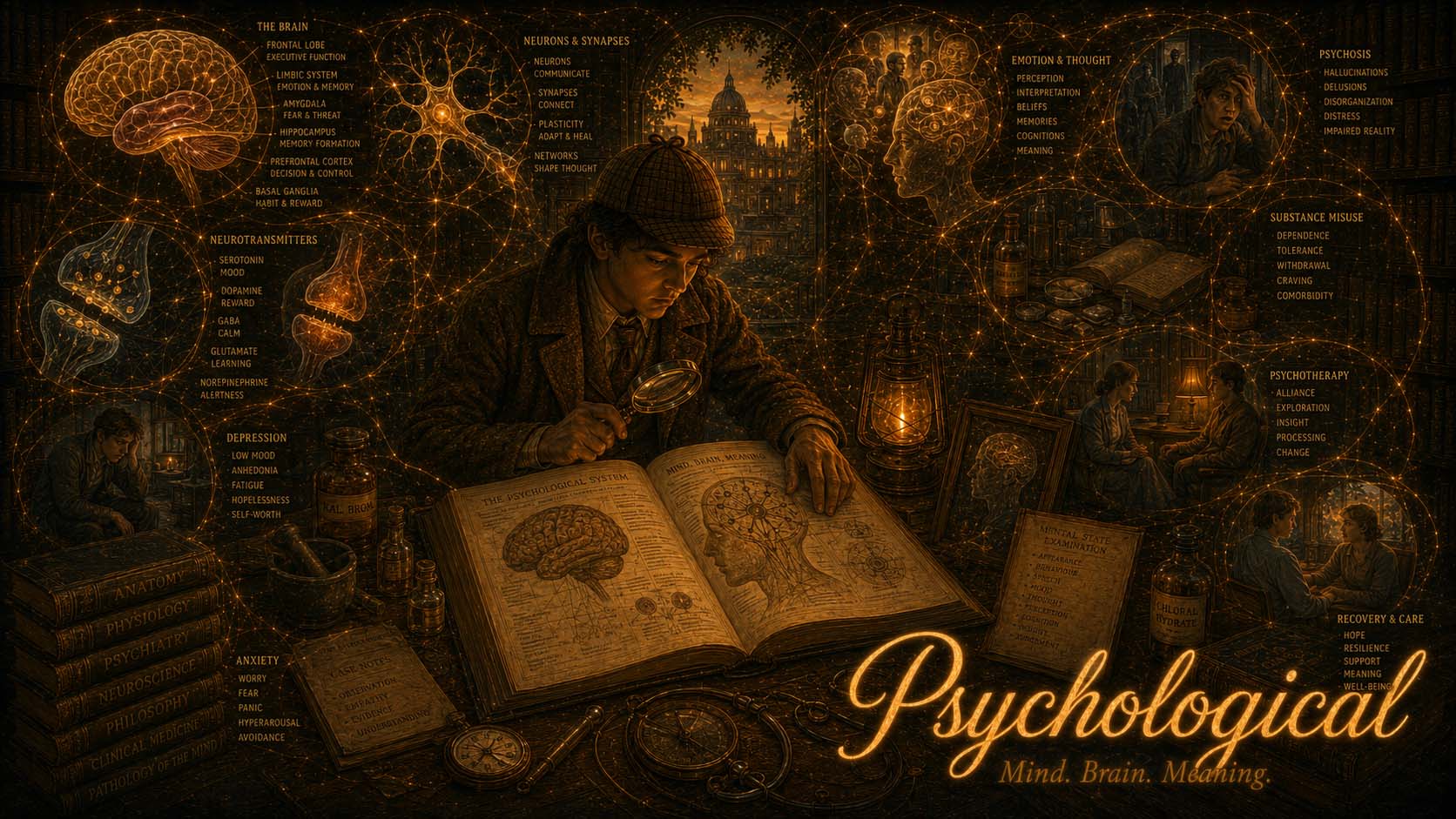
MENTAL HEALTH
The system of mind, meaning and human experience.
Mental health cannot be confined to a single organ.
It emerges from the interaction of brain, body, development, relationships, society, experience and meaning.
The Mental Health system therefore integrates:
- neuroscience
- neuroanatomy
- neurophysiology
- psychology
- behavioural science
- development and attachment
- social and cultural influences
- psychopathology
- psychopharmacology
- psychological therapies
- psychiatric medicine
- mental health law and ethics
- recovery and rehabilitation
Clinical themes may include:
- depression
- psychosis
- anxiety
- trauma
- addiction
- cognitive disorders
- neurodevelopment
- personality and relationships
- suicide and self-harm
- mental health in later life
- child and adolescent mental health
- severe and enduring mental illness
Mental Health belongs within Systems because the person cannot be divided neatly into biological, psychological and social compartments.
The system is the relationship between them.
Explore the Mental Health System →
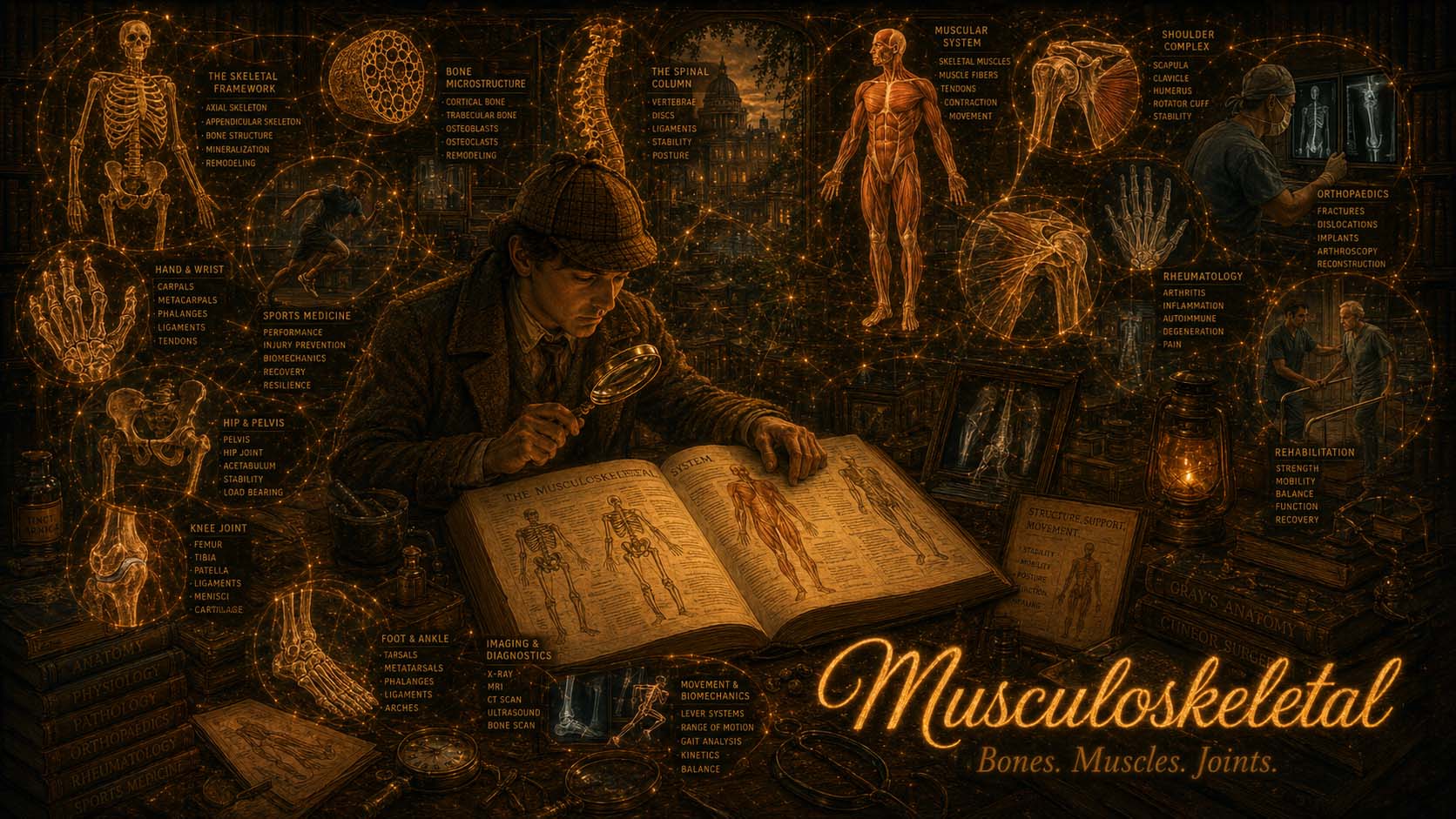
MUSCULOSKELETAL
The system of structure, movement and participation.
The musculoskeletal system explores the structures that support the body, permit movement and allow people to act within the world.
It brings together:
- bones and joints
- muscles, tendons and ligaments
- regional anatomy
- biomechanics
- peripheral nerves
- pain physiology
- orthopaedics
- rheumatology
- trauma
- sports medicine
- imaging
- rehabilitation
Clinical themes may include:
- fractures
- joint injuries
- back pain
- arthritis
- soft-tissue injury
- nerve compression
- inflammatory disease
- connective tissue disorders
- bone disease
- impaired mobility
- chronic pain
The early Musculoskeletal library draws substantially upon existing Anatomy Clinical Deep Dives.
Over time, these foundations will be connected with pathology, imaging, orthopaedics, rheumatology and rehabilitation to create a more complete integrated system.
Movement is not merely a mechanical function.
It shapes independence, identity, work and participation in life.
Explore the Musculoskeletal System →
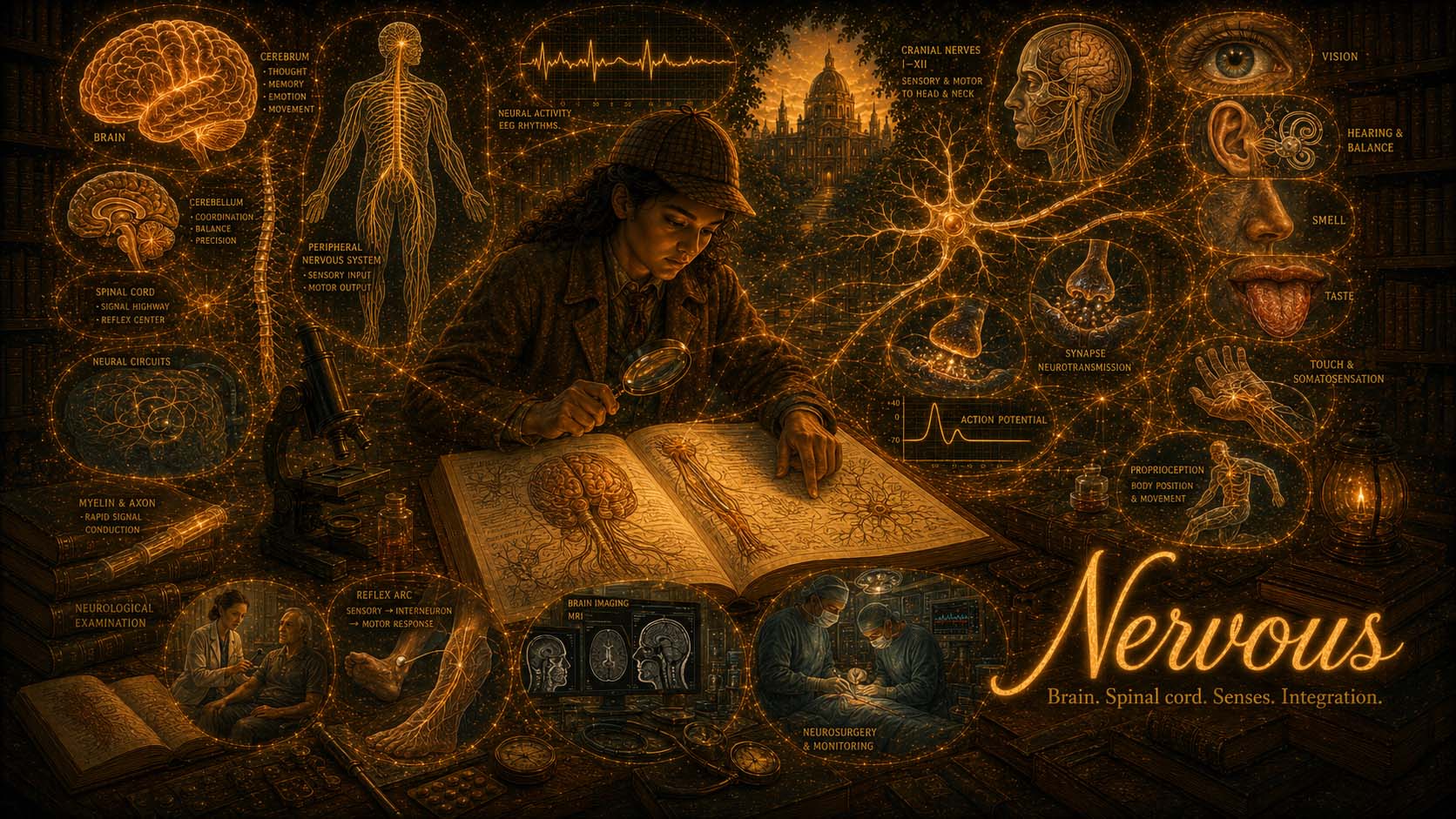
NERVOUS SYSTEM
The system of signalling, sensation and control.
The Nervous System will bring together the brain, spinal cord, peripheral nerves, muscles and sensory pathways through which the body perceives, acts and adapts.
It will integrate:
- neuroanatomy
- neurophysiology
- cellular neuroscience
- sensory and motor systems
- neurological pathology
- neuropharmacology
- clinical neurology
- neurosurgery
- neuroimaging
- rehabilitation
Clinical themes will include:
- weakness
- sensory loss
- seizures
- headache
- stroke
- movement disorders
- demyelination
- neurodegeneration
- neuromuscular disease
- disorders of consciousness
Nervous System — Coming Online Progressively
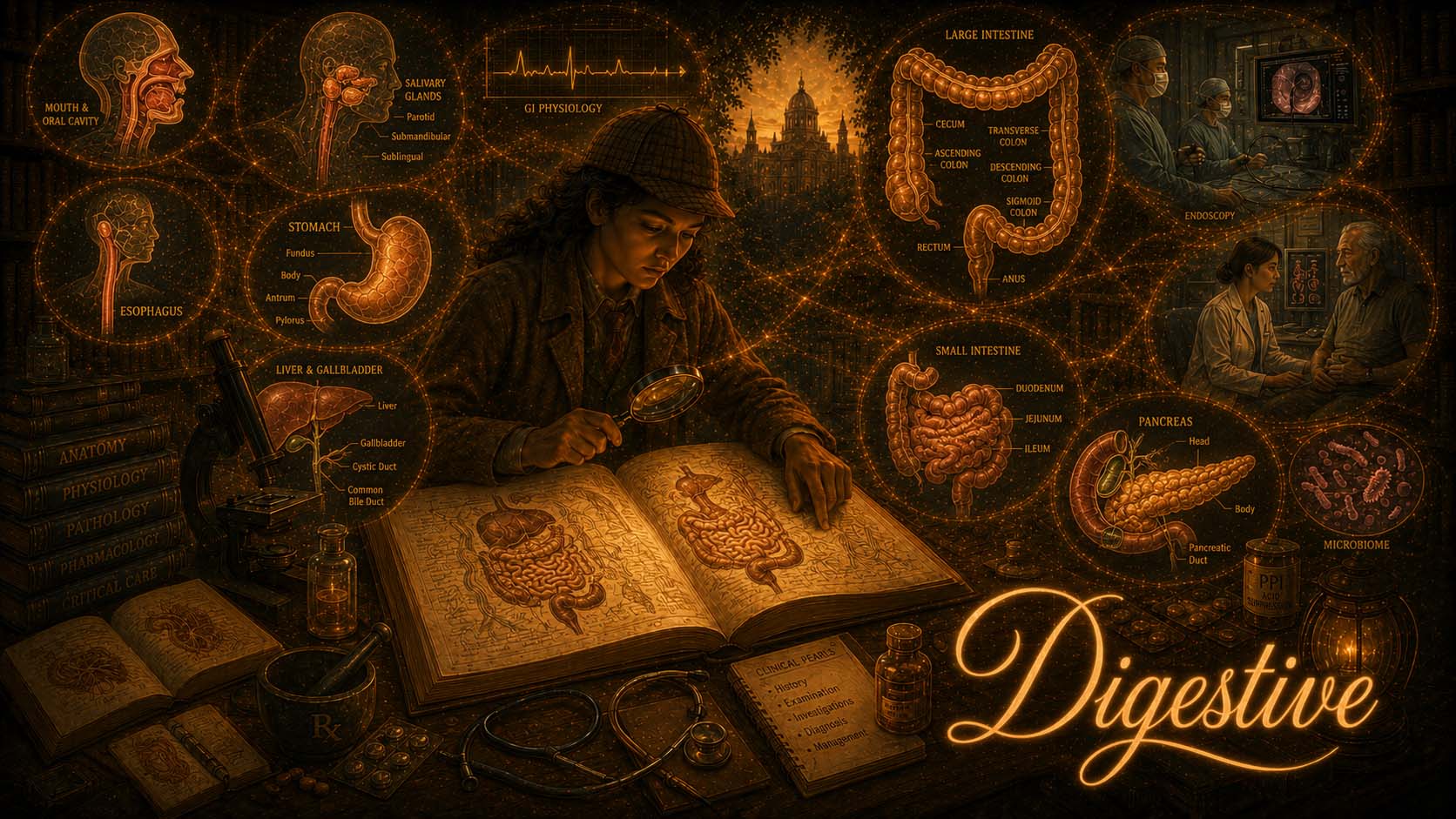
DIGESTIVE SYSTEM
The system of nourishment, absorption and internal processing.
The Digestive System will explore how the body receives food, breaks it down, absorbs what it needs and processes what remains.
It will integrate:
- gastrointestinal anatomy
- digestive physiology
- nutrition and metabolism
- gastrointestinal pathology
- microbiology
- pharmacology
- gastroenterology
- hepatology
- pancreatic medicine
- gastrointestinal surgery
- endoscopy
Clinical themes will include:
- abdominal pain
- dysphagia
- bleeding
- jaundice
- altered bowel habit
- malabsorption
- inflammatory bowel disease
- liver disease
- pancreatic disease
- gastrointestinal malignancy
Digestive System — Coming Online Progressively
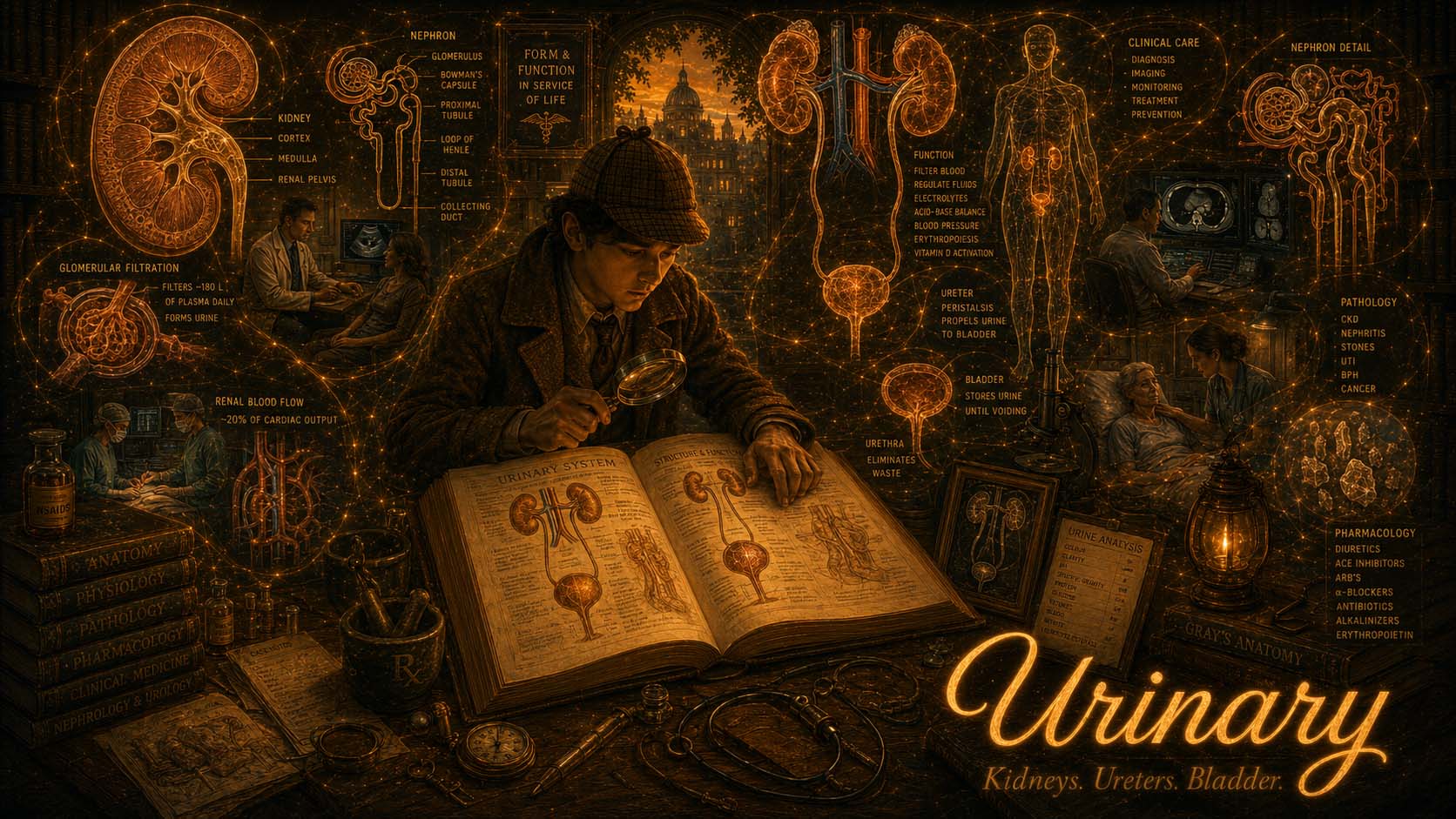
RENAL AND URINARY SYSTEM
The system of filtration, balance and excretion.
The Renal and Urinary System will explore how the kidneys regulate fluid, electrolytes, acid–base balance, blood pressure and the internal chemical environment.
It will integrate:
- renal anatomy
- nephron physiology
- fluid and electrolyte balance
- acid–base regulation
- renal pathology
- renal pharmacology
- nephrology
- urology
- dialysis
- transplantation
Clinical themes will include:
- acute kidney injury
- chronic kidney disease
- oedema
- electrolyte disturbance
- acid–base disorders
- urinary obstruction
- infection
- renal stones
- glomerular disease
- renal replacement therapy
Renal and Urinary System — Coming Online Progressively
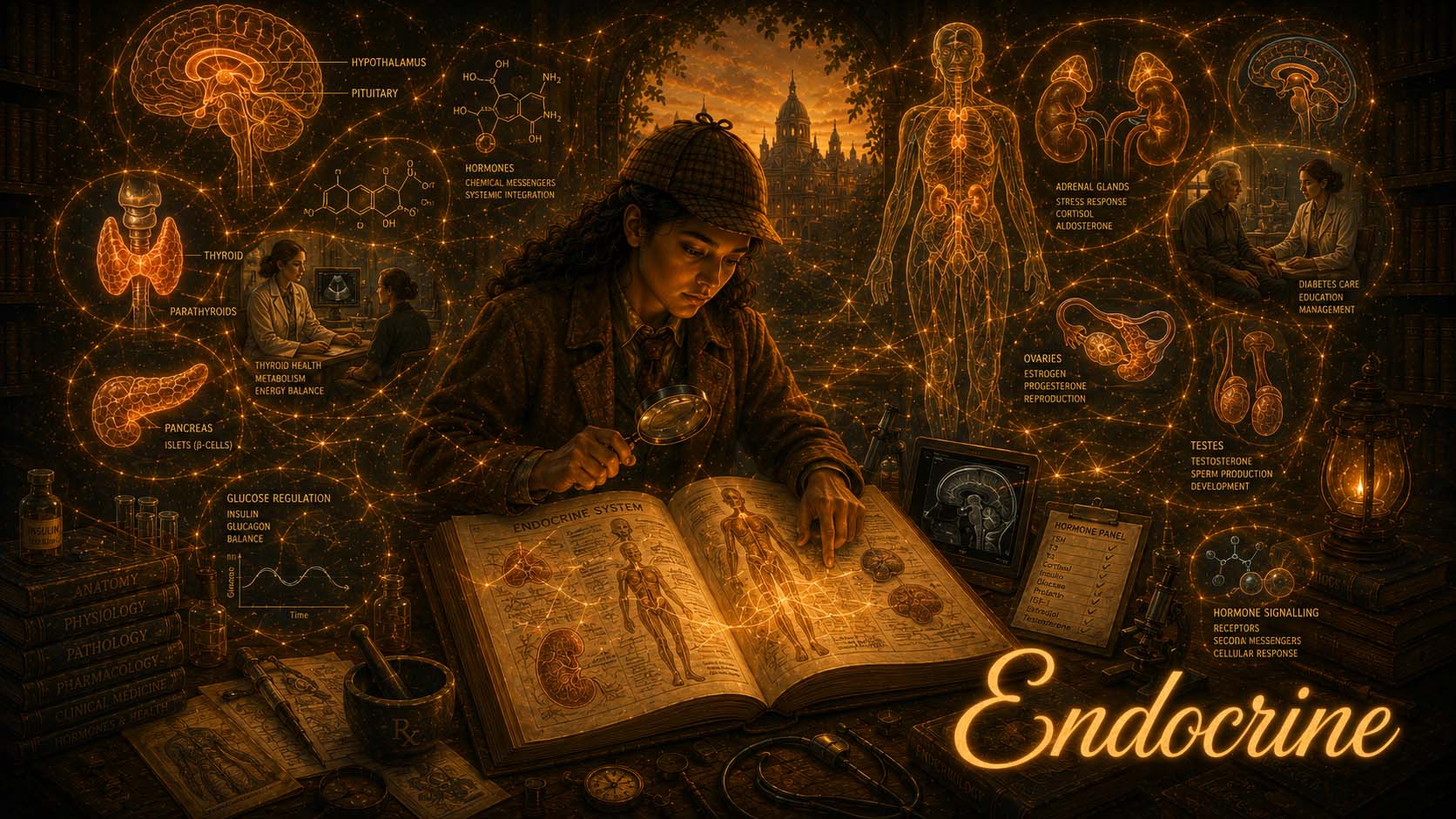
ENDOCRINE AND METABOLIC SYSTEM
The system of signals, regulation and adaptation.
The Endocrine and Metabolic System will explore how hormones coordinate growth, energy use, reproduction, stress responses and the internal balance of the body.
It will integrate:
- endocrine anatomy
- hormone physiology
- metabolism
- cellular signalling
- endocrine pathology
- pharmacology
- endocrinology
- metabolic medicine
- endocrine surgery
Clinical themes will include:
- diabetes
- thyroid disease
- pituitary disorders
- adrenal disease
- calcium disorders
- obesity
- metabolic syndrome
- hormonal excess and deficiency
Endocrine and Metabolic System — Coming Online Progressively
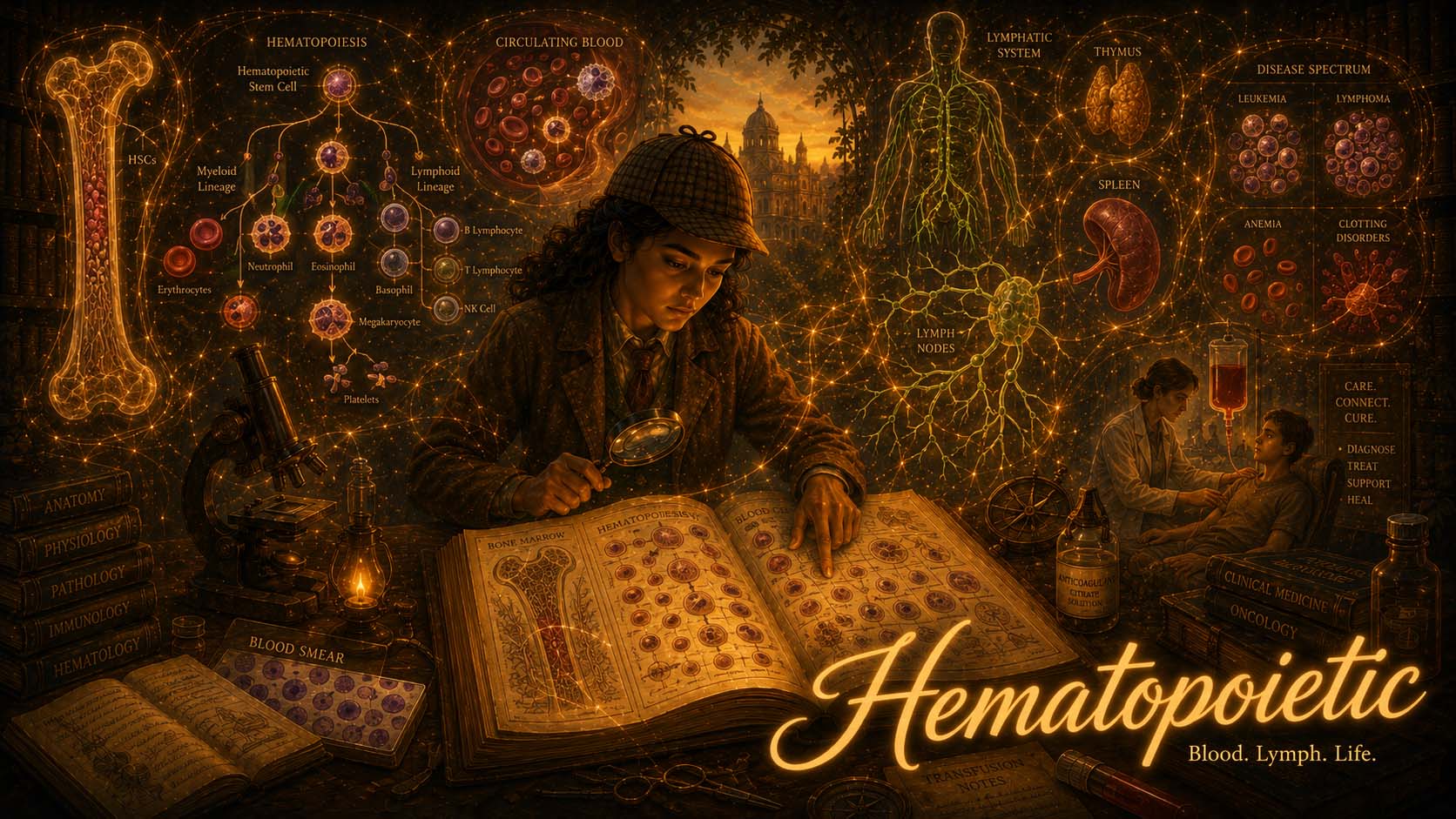
BLOOD, IMMUNITY AND CANCER
The systems of transport, defence and cellular control.
Blood, immunity and cancer cross almost every boundary within medicine.
This integrated learning world will bring together:
- blood cell development
- haemostasis and coagulation
- immune function
- inflammation
- haematological pathology
- immunology
- oncology
- transfusion medicine
- cancer pharmacology
- stem-cell and cellular therapies
Clinical themes will include:
- anaemia
- bleeding and thrombosis
- leukaemia and lymphoma
- immune deficiency
- autoimmune disease
- allergy
- solid-organ malignancy
- cancer treatment
- complications of therapy
Blood, Immunity and Cancer — Coming Online Progressively
INFECTION
The system of host, organism and environment.
Infection is not confined to one organ system.
It is an interaction between a microorganism, a susceptible host and the environment in which they meet.
This learning world will integrate:
- bacteriology
- virology
- mycology
- parasitology
- immunology
- antimicrobial pharmacology
- infectious diseases medicine
- infection prevention
- global and tropical medicine
- public health
Clinical themes will include:
- fever
- sepsis
- antimicrobial resistance
- zoonotic disease
- travel-related illness
- emerging infections
- healthcare-associated infection
- vaccination and prevention
Infection — Coming Online Progressively
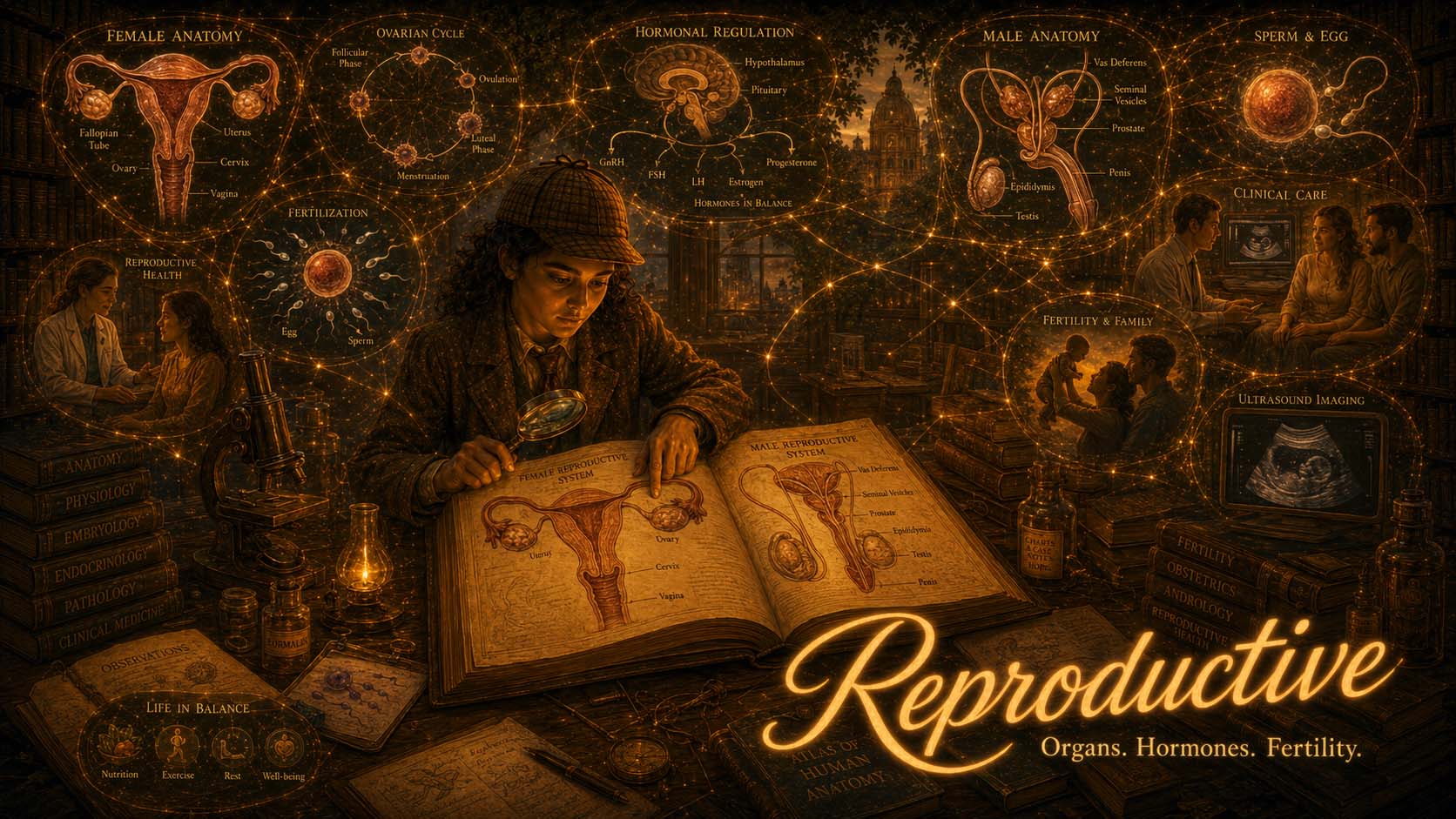
REPRODUCTIVE AND MATERNAL HEALTH
The systems of reproduction, pregnancy and development.
This learning world will bring together reproductive biology, pregnancy, birth and health across the reproductive lifespan.
It will integrate:
- reproductive anatomy
- endocrine physiology
- embryology
- fertility
- obstetrics
- gynaecology
- maternal medicine
- fetal medicine
- reproductive surgery
- sexual and reproductive health
Clinical themes will include:
- menstrual disorders
- fertility and infertility
- pregnancy
- labour
- obstetric emergencies
- reproductive loss
- menopause
- gynaecological disease
- reproductive malignancy
Reproductive and Maternal Health — Coming Online Progressively
SKIN AND BARRIER SYSTEMS
The systems that separate, protect and communicate.
The skin is both a physical barrier and a visible expression of internal disease.
This learning world will integrate:
- skin anatomy
- barrier physiology
- immunology
- dermatopathology
- infection
- allergy
- dermatology
- wound healing
- burns and reconstruction
Clinical themes will include:
- rash
- inflammation
- infection
- autoimmune skin disease
- wounds
- ulcers
- burns
- skin malignancy
- systemic disease presenting through the skin
Skin and Barrier Systems — Coming Online Progressively
SPECIAL SENSES
The systems through which the world enters the mind.
The Special Senses learning world will explore vision, hearing, balance, smell, taste, speech and the pathways through which sensory information is received and interpreted.
It will integrate:
- ocular and ENT anatomy
- sensory physiology
- cranial nerves
- neural pathways
- ophthalmology
- otorhinolaryngology
- audiology
- vestibular medicine
- speech and communication
Clinical themes will include:
- visual loss
- red eye
- hearing loss
- vertigo
- tinnitus
- smell and taste disturbance
- voice change
- swallowing difficulty
- sensory pathway lesions
Special Senses — Coming Online Progressively
What Every System Will Contain
Each system will grow through a consistent Medlock Holmes learning architecture.
Not every element will be present from the beginning. Content will be added progressively as the library develops.
Clinical Deep Dives
Long-form conceptual companions that take learners into the heart of the material.
They draw upon major source texts, connect ideas across disciplines and reveal the organising principles beneath dense content.
Integrated Learning Paths
Curated journeys connecting Anatomy, Physiology, Biochemistry, Pathology, Pharmacology and Clinical Medicine within the same system.
System Maps
Visual representations showing how the major concepts, disciplines and clinical themes relate to one another.
Clinical Cases
Patient narratives through which scientific knowledge becomes clinically meaningful.
Problem-Based Learning
Structured scenarios that ask learners to identify what they know, what they need to discover and how new evidence alters their reasoning.
Notebook Conversations
Audio discussions for deeper exploration, revision and learning away from the screen.
Visual Learning
Illustrations, diagrams, anatomical images, mechanisms and knowledge maps that make relationships visible.
Clues in Two
Rapid clinical challenges that develop pattern recognition and diagnostic instinct.
Revision Resources
High-yield summaries, frameworks, memory aids and knowledge checks for returning to the central concepts.
Clinical Deep Dives Within Systems
A Clinical Deep Dive may begin within a scientific discipline.
A cardiac physiology episode may sit within Physiology.
An arrhythmia episode may sit within Medicine.
A beta-blocker episode may sit within Pharmacology.
Within Systems, these separate episodes are brought into relationship.
They become part of a learning journey that might move from:
- the conduction system of the heart
- to the generation of the cardiac action potential
- to the mechanisms of arrhythmia
- to ECG interpretation
- to antiarrhythmic pharmacology
- to the clinical presentation of palpitations
- to decisions about investigation and treatment
The content has not merely been collected.
It has been connected.
That is the essential work of Systems.
The Systems Promise
Every system seeks to answer four progressively deeper questions.
How is it built?
Understand the structure.
How does it work?
Follow the function.
What goes wrong?
Trace the disease process.
What do we do about it?
Apply the knowledge to diagnosis, treatment and care.
These four questions provide a dependable architecture for learning even when the subject itself is vast.
They allow learners to move from the visible to the invisible, from the normal to the abnormal and from explanation to action.
Integration Does Not Mean Overload
Integration is sometimes misunderstood as placing everything on the same page.
That can create more confusion rather than less.
True integration is selective.
It brings together the pieces needed to understand a particular question.
When exploring heart failure, renal physiology matters because the kidneys respond to altered perfusion and influence fluid balance.
Respiratory physiology matters because pulmonary congestion produces breathlessness.
Pharmacology matters because treatment changes preload, afterload, contractility and neurohormonal signalling.
Psychology and social context matter because chronic illness alters identity, confidence and the capacity for self-management.
Integration is therefore not the accumulation of every possible fact.
It is the discovery of the relationships that make the problem understandable.
From Systems to Stories
Systems provides an integrated model of how the body works and how disease disrupts it.
But clinical practice rarely begins with the name of a system.
It begins with a story.
A person presents with:
- chest pain
- breathlessness
- abdominal pain
- collapse
- fever
- weakness
- confusion
- bleeding
- a lump
- a change in behaviour
The clinician does not yet know which system holds the explanation.
That is the next stage of the Medlock Holmes journey.
Within Stories, learners begin with the presentation rather than the diagnosis.
They must decide:
What matters in the history?
What should be examined?
Which systems may be involved?
What are the competing explanations?
Which clues support or weaken each possibility?
What must not be missed?
What should happen next?
Systems builds the internal map.
Stories asks the learner to navigate without being told the destination.
Problem-Based Learning
Problem-Based Learning sits at the threshold between Systems and Stories.
A clinical problem is presented before all the necessary knowledge has been supplied.
The learner must work with uncertainty.
They identify what they already understand.
They recognise the gaps in their knowledge.
They decide which questions matter.
They seek further information.
They revise their explanations as new evidence appears.
This mirrors the movement of real clinical reasoning.
The purpose is not merely to reach the correct diagnosis.
It is to understand how the reasoning changed along the way.
A well-designed problem reveals both the disease and the mind of the learner.
The Medlock Holmes Learning Journey
SPARK
Curiosity. Purpose. Calling.
Discover the questions that draw you towards medicine.
↓
SCIENCES
Knowledge. Logic. Foundations.
Learn the disciplines upon which medical understanding depends.
↓
SYSTEMS
Connect. Integrate. Understand.
Bring structure, function, disease and treatment into coherent models.
↓
STORIES
Detect. Deduce. Diagnose.
Begin with the patient’s presentation and reason towards an explanation.
↓
STUDIO
Wonder. Create. Share.
Explore medicine through conversations, visual learning, music and creative forms.
↓
SPIRIT
See. Think. Care.
Develop the values and clinical wisdom through which knowledge is used well.
A Growing Learning Ecosystem
Systems is being built progressively.
The first learning worlds draw upon existing collections in:
- Cardiovascular medicine
- Respiratory medicine
- Mental Health
- Musculoskeletal anatomy and related sciences
These will be expanded and joined by further systems as new Clinical Deep Dives, visual maps, cases and problem-based learning experiences are created.
Each addition strengthens not only its own subject, but the connections across the whole platform.
A new episode on renal physiology may deepen the Cardiovascular System.
A new sequence on inflammation may enrich Respiratory, Musculoskeletal, Infection and Skin.
A new guide to psychopharmacology may connect Mental Health with Neuroscience, Endocrinology and Pharmacology.
The library becomes more valuable as its relationships multiply.
Like the body itself, it develops through connection.
Choose a System
CARDIOVASCULAR
Explore the heart, circulation, haemodynamics and the clinical consequences of disrupted perfusion.
Enter Cardiovascular →
RESPIRATORY
Explore ventilation, gas exchange and the conditions that disturb the act of breathing.
Enter Respiratory →
MENTAL HEALTH
Explore the interaction of brain, mind, relationships, society and human experience.
Enter Mental Health →
MUSCULOSKELETAL
Explore anatomy, movement, pain, injury and the structures that support participation in life.
Enter Musculoskeletal →
THE GROWING SYSTEMS LIBRARY
Discover the Nervous, Digestive, Renal, Endocrine, Reproductive and other integrated learning worlds as they come online.
Explore All Systems →
Beyond Knowing the Parts
Medicine cannot be understood only by taking the body apart.
Eventually, the pieces must be returned to one another.
Structure must meet function.
Function must meet disease.
Disease must meet treatment.
Treatment must meet the individual person.
Systems is the place where those connections are made.
Not merely to create a larger collection of knowledge, but to build a mind capable of moving through it.
Medlock Holmes Systems
See the connections. Understand the whole. Prepare to solve the story.